
Loading...
Serving Coronado, CA and surrounding areas. (858) 898-5877
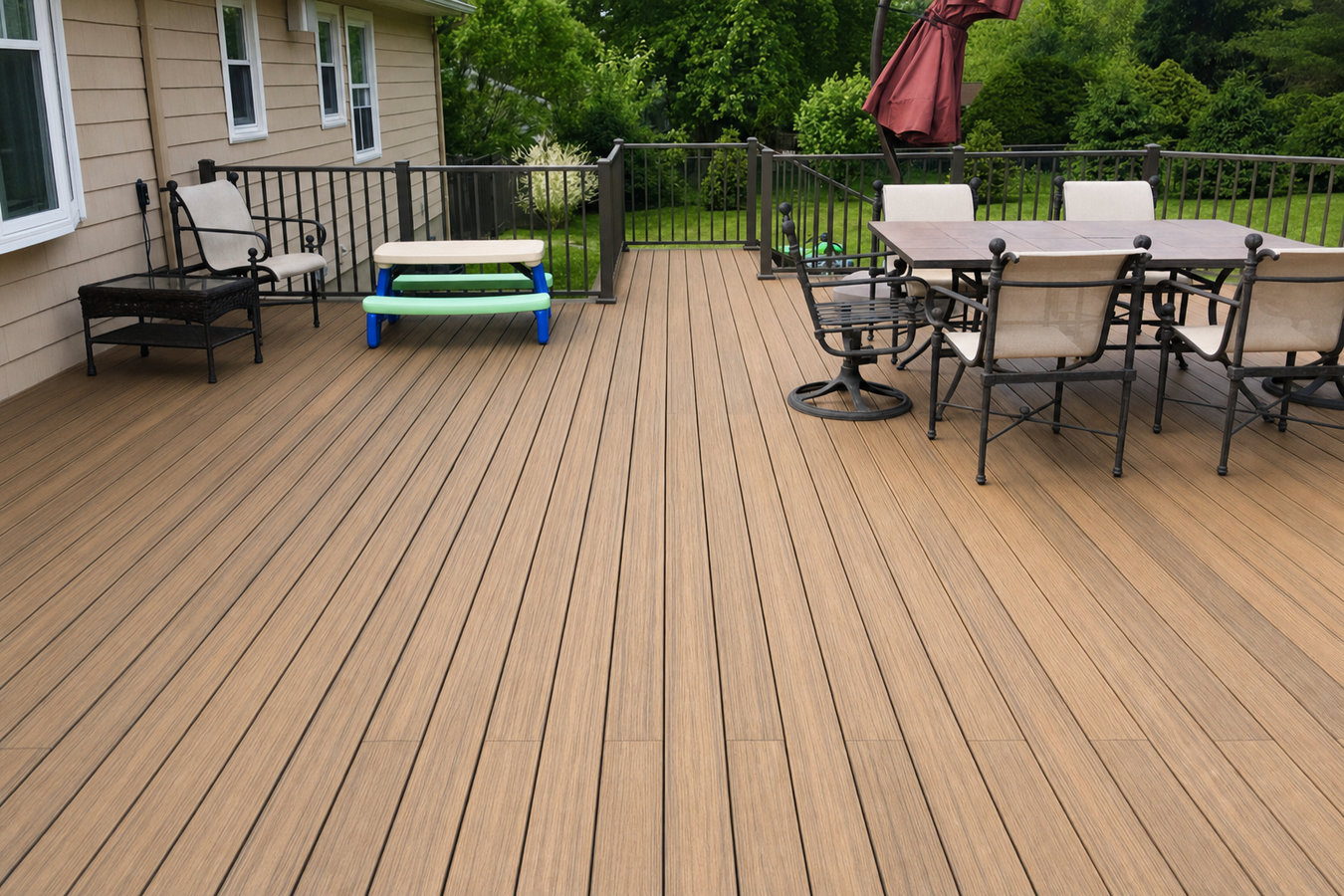
Coronado Fence & Deck builds composite decks, covered patios, and fences for Chula Vista homeowners - with HOA-ready design plans, full permit handling, and free on-site estimates from a crew that knows the local conditions.
Chula Vista's intense summer sun and UV exposure break down natural wood surfaces faster than most homeowners expect - composites hold their color and require no annual refinishing. Whether your home is in an Otay Ranch HOA community or an older west-side neighborhood, we design and install composite decks that meet both your lifestyle and any applicable community standards. See our full composite deck installation process, including material options and how we handle permit submissions.
Chula Vista homeowners get genuine use from covered outdoor spaces in every season - the mild winters are comfortable, and shade makes the hot summer afternoons usable. A solid patio cover also protects your decking and furniture from UV fading, which is a real concern here. We build attached and freestanding covers with proper flashing and permit documentation.
Vinyl fences are a natural fit for Chula Vista's HOA communities, where consistent color and low maintenance are usually requirements or strong preferences. Vinyl holds its color well under the intense southern California sun without painting, and HOA boards regularly approve it because it looks clean and uniform across the neighborhood.
Chula Vista's warm climate means pool decks get used year-round, which puts more wear on the surface than a pool deck in a colder area. Clay soil movement in parts of the city is also a factor - proper footing depth and surface jointing prevent cracking as the soil shifts with seasonal rain cycles. We build pool decks that hold up to both the sun and the ground.
A pergola adds shade and visual structure to a Chula Vista backyard, and in the newer communities it also gives homeowners a way to personalize their outdoor space within HOA guidelines. We handle the HOA design submission and city permit so you get the shade you want without the paperwork.
Many Chula Vista homes from the 1990s and 2000s are hitting the age where original decks and fencing need attention. Sun-bleached wood, cracked concrete, and loose railings are common in homes of this age. We assess what is worth repairing and give you an honest recommendation rather than defaulting to full replacement.
Chula Vista is San Diego County's second-largest city, and its housing stock reflects three very different eras of construction. The older western neighborhoods near Third Avenue have homes from the 1950s through 1970s - small lots, original concrete work, and aging wood that is well past its first maintenance cycle. The large master-planned communities in eastern Chula Vista - Eastlake, Otay Ranch, Rolling Hills Ranch - were mostly built between 1995 and 2015, which means many of those homes are now hitting the 20-to-30-year mark where roofs, driveways, and concrete flatwork start to need real attention. A contractor who doesn't know the difference between working in Otay Ranch with an active HOA and working on an older property in Castle Park will create friction on both jobs.
The other major local factor is Chula Vista's expansive clay soil, which swells when wet and contracts when dry. That seasonal movement is one of the primary reasons decks and concrete slabs develop cracks here - it isn't just age or weather. Getting footing depth right from the start is the single most important thing a contractor can do to prevent this problem. The city's rainy season, when it does arrive, comes in heavy bursts after long dry periods, and that cycle of saturation and drying puts real stress on any structure anchored to the ground. You can learn more about Chula Vista's stormwater and soil conditions through the City of Chula Vista Public Works Department.
Our crew works throughout Chula Vista regularly, and we understand the local conditions that affect deck builder work here. We pull permits through the City of Chula Vista Development Services Department and we know how the HOA review process works for the major communities in the east - Otay Ranch, Eastlake, and Rolling Hills Ranch all have their own design review boards, and each one has slightly different submission requirements and timelines. Getting that paperwork right the first time matters, because a rejected HOA submission can add a month to your project before construction even starts.
Chula Vista is a large city that spans from the bay waterfront in the west to the foothills in the east. The area around the U.S. Olympic and Paralympic Training Center and the neighborhoods along the eastern foothills have a very different feel from the older streets near Third Avenue Village and the bayfront. We've worked on both sides of the city and understand how the terrain, soil conditions, and property types differ between them. We also serve Bonita to the east, where larger lots and more established tree cover create a different set of construction conditions, and National City to the north.
We reply within one business day. Let us know what you have in mind - rough size, whether you are replacing something or starting fresh, and whether your home is in an HOA. You don't need to have every detail worked out before calling.
We visit your Chula Vista property, measure the space, check soil and drainage conditions, and identify any HOA or permit factors that will affect the project timeline. You leave the visit with a clear picture of scope and cost before any commitment is made.
We submit the city permit application and, if your community requires it, the HOA design review package - often running both in parallel to reduce wait time. Permit review in Chula Vista typically takes one to three weeks; HOA review varies by community board.
Construction typically runs three to seven days for a standard residential deck. A city inspector visits at required stages and again at completion. We walk you through the finished project and leave you with all permit documentation for your records.
We serve all of Chula Vista - from Otay Ranch and Eastlake to the older west-side neighborhoods. Free estimates, no pressure.
(858) 898-5877Chula Vista is San Diego County's second-largest city, with roughly 275,000 residents and a geography that runs from San Diego Bay in the west to the rolling foothills along the eastern edge. The western side of the city - neighborhoods like Castle Park, Harborside, and the area around Third Avenue Village - has a more established, urban feel with older homes and smaller lots dating from the 1950s and 1960s. The downtown Third Avenue corridor anchors this side of the city with local shops, restaurants, and a walkable main street. The major bayfront redevelopment project along the waterfront is bringing new construction and investment to the western edge of the city.
Eastern Chula Vista is a different world - dominated by large master-planned communities like Otay Ranch, Eastlake, and Rolling Hills Ranch, most of which were built between the mid-1990s and 2015. These neighborhoods are suburban, family-oriented, and largely governed by active HOAs that set standards for home appearances, landscaping, and exterior modifications. The city as a whole has grown rapidly and continues to attract families looking for more space than central San Diego offers at a somewhat lower price point. Neighboring National City sits to the north along the bay, and Bonita is just to the east, with larger rural-feeling lots and more mature landscaping.
Transform your backyard with a fully custom deck built to your vision.
Learn MoreLow-maintenance composite decking that looks great for decades.
Learn MoreAffordable pressure-treated wood decks built to handle the elements.
Learn MoreProtect and refresh your deck with professional staining and sealing.
Learn MoreClassic wood privacy fences for security and curb appeal.
Learn MoreEnjoy the outdoors without bugs in a screened porch or deck.
Learn MoreStay shaded and comfortable with a professionally built patio cover.
Learn MoreCall or request a free estimate online - we respond within one business day and serve all of Chula Vista, from the waterfront to the eastern foothills.